


Founded in 1991, Jiangsu Golden Autumn Group is one of the world's leading manufacturers of garment accessories serving customers all over the world. The products are widely used in intimate apparel and sportswear. The company has advanced manufacturing facilities and technologies. Complete processes including yarn twisting, covering, yarn dyeing, crochet, weaving, warp knitting, after-dyeing and printing are all under one roof.
The company was founded in 1991 and started from ordinary elastics; year 2000, started to develop all kinds of jacquard elastic and were among the earliest factories producing jacquard elastics in Jiangsu province; year 2004, transisted and upgraded to producing jacquard, woven elastic, and after-dyeing elastics for underwear(bra strap, underwear band, folded elastc); year 2007, moved to new factory, with enlarged capacity and improved quality control, to serve customers all over the world; year 2011,established new company Jiangsu Golden Autumn Lace Co., LTD, professional in design, development, production and sales of lace and fabric products.
Why choose us?
Factory area
The total investment is 300 million Yuan, have more than 600 staff in total, and plant area is 90000 square meters.
Production capacity
Fully equipped tangible plant,professional quality and extreme nice price are our core competitiveness.
OEM solutions
Can be customer design. We have the ability to design, custom made and instant pattern making, etc.
After-sales service
To provide clients with professional design, research and development and other technical consulting, etc.
-

Jiangsu Golden Autumn Lace Company is fully reinforced with excellent team cooperation.We are
Add to Inquiry -
Dear,you can easily get almost all kinds of laces from us, the best way to get the information you
Add to Inquiry -
Lace is a weblike fabric with intricate patterns of holes and threads. People can make it by hand
Add to Inquiry -
Product Type:Lace. Material:Spandex / Nylon. Fabric Type:Mesh. Technics:Knitted. Feature:Sustainable
Add to Inquiry -
Fabric Type: Lace Fabric. Model Number:JM58-65173. Content: 100% Nylon. Width: 150cm.
Add to Inquiry -
Product Type:Lace. 7 days sample order lead time:Support. Material:Nylon / Cotton. Fabric
Add to Inquiry -
This kind of lace is suitable for autumn and winter.You can determine the letter,material or other
Add to Inquiry -
Product Type:Lace. 7 days sample order lead time:Support. Material:70% Nylon 25% Cotton 5% Rayon.
Add to Inquiry -
Cute Childrens Wear Elastic Lace Fabric
Our company and factory are all located in Nantong,Jiangsu, China.Main fabrics: Lace fabric, Tulle
Add to Inquiry -
Product Type:Lace. 7 days sample order lead time:Support. Material:20%Nylon 80%Cotton. Fabric
Add to Inquiry -
100% Cotton Embroidery Lace Fabric
Product Type:Lace. 7 days sample order lead time:Support. Material:100% cotton. Fabric Type:Cotton
Add to Inquiry -
Selling Units:Single item. Single package size: 20X10X3 cm. Single gross weight:0.150 kg
Add to Inquiry

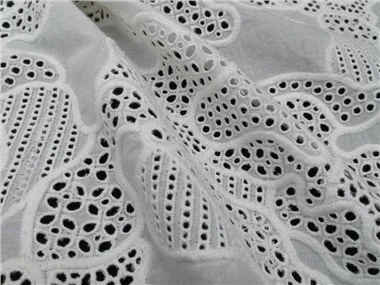


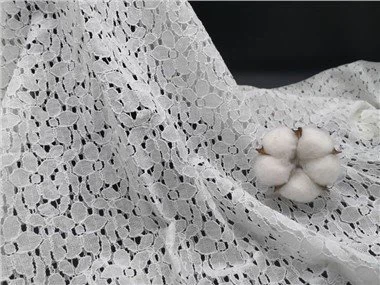

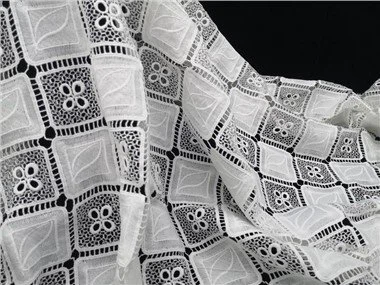
What is Lace Fabric?
Lace fabric is a delicate, intricate fabric made with an open weave pattern often featuring floral or geometric designs. It is typically made from yarn or thread and can be crafted from a variety of materials, including cotton, silk, and synthetic fibers. Lace is commonly used in fashion, particularly in bridal wear, lingerie, and accessories such as gloves and hats. It is also used in home décor, such as curtains and tablecloths. Lace fabric can be machine-made or handcrafted, with the latter being more time-consuming and expensive due to the intricate detail involved.
Benefits of Lace Fabric
Elegance and sophistication
Lace fabric adds a touch of glamour and sophistication to any outfit, making it an ideal choice for special occasions or formal events.
Femininity
Lace fabric is often associated with femininity and can be used to create a delicate and romantic look.
Durability
Lace fabric is incredibly durable and can withstand regular wear and tear. This makes it perfect for clothing, as well as decorative applications.
Breathability
Unlike synthetic fabrics, lace is made of natural fibers that allow air to pass through, making it an ideal fabric for hot and humid climates.
Texture and dimension
TLace fabric adds texture and dimension to an outfit, making it visually interesting and adding depth to the overall look.
Versatility
Lace fabric comes in a variety of styles, patterns, and colors, making it versatile and suitable for a range of different garments, from dresses to lingerie.
Timelessness
Lace fabric has been used for centuries and is often associated with elegance and timeless beauty.
Sheerness
Lace can be sheer or partially transparent, which adds a delicate and feminine touch to any design.
Variety
Lace fabric comes in a range of colors, patterns, and designs, making it easy to find the perfect lace for any project.
Comfort
Lace fabric is comfortable to wear, as it is soft and lightweight, making it perfect for summer clothing and intimate apparel.
Chantilly lace
Chantilly lace is a delicate and lightweight lace fabric that originated in France in the 17th century. It is made from fine cotton, silk, or nylon threads and is known for its fine floral patterns and delicate scalloped edges.
Alencon lace
Alencon lace is a type of needle lace that originated in France in the 16th century. It is made from fine silk or linen threads and is known for its delicate floral designs and intricate motifs.
Venetian lace
Venetian lace is a type of bobbin lace that originated in Venice in the 16th century. It is made by braiding and twisting threads over a pattern of pins and is known for its intricate designs and fine detail.
Guipure lace
Guipure lace is a type of lace that is made without a backing fabric. Instead, the threads are woven together to form a dense, intricate pattern. It is known for its durability and is often used in clothing and home decor.
Crochet lace
Crochet lace is a type of lace that is created by hand using a crochet hook. It is known for its intricate designs and can be made from a variety of fibers, including cotton, silk, and wool.
Milanese lace
Milanese lace is a type of bobbin lace that originated in Milan in the 16th century. It is known for its intricate designs, which often feature floral patterns and delicate motifs.
Schiffli lace
Schiffli lace is a type of machine-made lace that is produced using a Schiffli embroidery machine. It is known for its fine detail and can be made using a wide variety of fibers and materials.
Raschel lace
Raschel lace is a type of warp-knitted lace that is created using a Raschel machine. It is known for its durability and can be made from a variety of fibers and materials.
Lace is traditionally made by weaving or knitting fine threads or fibers in a delicate and intricate pattern. The threads or fibers that make up lace can be made from a variety of materials, including cotton, silk, rayon, polyester, nylon, or a blend of these materials.
Cotton lace is the most common type of lace fabric, and it is often used in clothing, tablecloths, and curtains. It is made from 100% cotton fibers, which are woven or knitted to create a delicate and lightweight fabric. Cotton lace is comfortable to wear and easy to care for. It is also breathable, which makes it an ideal choice for warm weather clothing.
Silk lace is made from 100% silk fibers, which are woven or knitted to create a luxurious and elegant fabric. Silk lace is soft and lightweight, with a natural sheen that adds a touch of glamour to any outfit. It is often used in high-end fashion and bridal wear.
Rayon lace is made from synthetic fibers that mimic the look and feel of natural materials. It is lightweight, soft, and drapes well, making it a popular choice for dresses and blouses. Rayon lace is also easy to care for and comes in a variety of colors and patterns.
Polyester and nylon lace are both synthetic materials that are strong, durable, and easy to care for. They are often used in lingerie and swimwear because of their moisture-wicking properties and ability to stretch and retain their shape. Polyester lace is also popular in home decor and upholstery because it is resistant to fading and staining.
Lace fabric is made from a variety of materials, with each having its own unique properties and benefits. Whether for clothing, home decor, or other applications, lace fabrics offer a timeless and elegant look that is both versatile and practical.
Application of Lace Fabric
Clothing
Lace is a popular fabric for dresses, skirts, blouses, and lingerie. It adds a feminine touch and can be used to create a variety of styles from classic to modern.


Bridal and formal wear
Lace is a staple fabric for wedding dresses, veils, and other bridal accessories. It is also used in formal wear such as ball gowns, cocktail dresses, and evening wear.
Home decor
Lace is used in home decor products such as curtains, tablecloths, and doilies. It can add a touch of elegance to any room and can be used to create a variety of styles from vintage to contemporary.


Accessories
Lace is used in accessories such as handbags, shoes, and hair accessories. It is a versatile fabric that can be used to create a range of looks from casual to formal.
Crafts
Lace is used in a variety of craft projects such as scrapbooking, card-making, and DIY home decor projects. It can be layered, cut, and folded to create unique designs and add texture to a project.


Costumes
Lace is a popular fabric for costumes, particularly for historical and period pieces. It can be used to create elaborate costumes that are rich in detail and texture.
Process of Lace Fabric
Lace fabric is a delicate and intricate fabric that is made from a series of interconnecting threads and patterns. The process of creating lace fabric involves several steps, each of which requires a high level of skill and attention to detail. Here is a brief overview of the process of creating lace fabric:
- Designing the pattern: The first step in creating lace fabric is to design the pattern. This is typically done on paper, using a pencil or pen. The pattern must be intricate and detailed, as the lace will be made by carefully weaving the threads together.
- Preparing the fabric: Once the pattern is designed, the fabric must be prepared. This involves washing and ironing the fabric to ensure that it is free from wrinkles and is ready to be worked on.
- Setting up the loom: The loom is the tool that is used to weave the threads together. It must be set up carefully, with the correct number of threads and tension, to ensure that the lace fabric is of the highest quality.
- Weaving the threads: The weaving process is the most important step in creating lace fabric. The threads are carefully woven together, using the pattern as a guide. This process can take many hours, and requires a great deal of skill and patience.
- Finishing the lace: Once the lace is woven, it must be finished. This involves trimming any loose threads or uneven edges, and carefully washing and drying the lace to ensure that it is clean and ready for use.
The process of creating lace fabric is a time-consuming and intricate one that requires a great deal of skill and attention to detail. But the end result is a beautiful and delicate fabric that is prized for its intricate patterns and luxurious feel.
Lace fabric is a delicate and intricate fabric that is made using a variety of different materials. The components of lace fabric typically include:
- Threads - The majority of lace fabric is made using fine threads of cotton, silk, or synthetic fibers such as polyester, nylon, or rayon. These threads are woven or knitted together in intricate patterns to create the lace.
- Stitches - Lace fabric is created using many different types of stitches, including chain stitch, buttonhole stitch, and blanket stitch. These stitches are used to connect and secure the threads in intricate patterns that create the lace design.
- Embroidery - Some lace fabrics are additionally embroidered with decorative patterns or floral designs. This is often done using a special embroidery machine that creates intricate designs using multiple colors of thread.
- Beads and Sequins - Some lace fabrics are adorned with beads, sequins, and other embellishments to add sparkle and texture to the design. These embellishments are typically sewn on by hand or with special machine techniques.
- Dye - Lace fabrics can be dyed in a range of colors to match a specific design or outfit. The dyeing process can be done before or after the lace is produced, depending on the desired effect.
Lace fabric is a beautiful and intricate fabric that involves a variety of different components and techniques to create. The combination of fine threads, stitches, embroidery, beads, sequins, and dye all work together to produce a stunning finished product that adds elegance and sophistication to any garment or home textile.
How to Maintain Lace Fabric?
Hand wash
Lace fabrics are delicate and should be hand washed with a mild detergent and lukewarm water. Avoid using hot water as it can cause the fabric to deform or disintegrate.
Rinse carefully
After washing, rinse the fabric thoroughly to remove any soap residue. Make sure to support the lace while rinsing so that it doesn't stretch or tear.
Avoid wringing
When drying, avoid squeezing or wringing the fabric. Instead, gently press the lace between two towels to remove moisture.
Hang to dry
Once most of the moisture has been removed, hang the lace fabric to dry. Avoid exposing it to direct sunlight or heat sources, as this can cause fading or shrinkage.
Iron with care
If ironing is needed, use a low heat setting and place a pressing cloth or towel between the iron and the lace. Steam can also be used to help remove wrinkles, but be careful not to overheat or saturate the fabric.
Store carefully
Store your lace fabric in a cool, dry place away from direct sunlight or moisture. Avoid folding or hanging it for extended periods, as this can cause creases or stretch marks. Instead, wrap the lace in acid-free tissue paper and lay it flat in a drawer or box.
How to Choose Lace Fabric
Consider the design concept
Lace fabric comes in many different styles and designs. Some are more intricate, while others are simpler. Consider the type of garment you plan to create and the design you have in mind. If your project requires a delicate and intricate lace design, choose a lace fabric that has a higher thread count, such as Chantilly lace. If you're looking for a more bold or modern design, choose a lace fabric with a larger pattern.
Look at the color
Lace fabric comes in a variety of colors, from classic white to bold and vibrant hues. The color of the lace will depend on the type of fabric used to make it. If you're making a wedding dress or formal attire, stick to classic white or ivory lace. However, if you're making a summer dress, you might choose a bold coral or turquoise lace.
Check the texture
Lace fabric also comes in a variety of textures, from delicate and soft to stiff and structured. The texture of the lace can affect the way it drapes and hangs, so consider the desired effect for your project. For example, if you're creating a flowing, ethereal wedding dress, choose a lace fabric with a soft, delicate texture. On the other hand, if you're creating a structured cocktail dress, choose a lace fabric with more body and stiffness.
Consider the material
Lace fabric can be made from a variety of materials, including cotton, silk, and synthetic fibers. Each material has its own unique characteristics, so it's important to consider the desired look and feel for your project. For example, cotton lace is more breathable and comfortable to wear, while silk lace is more luxurious and has a beautiful drape.
Wash carefully
Lace fabrics should be hand washed or machine washed on a gentle cycle, using a mild detergent. Avoid using harsh detergents or bleach, as they can damage the delicate fibers of the lace.
Avoid wrinkling
Lace is prone to wrinkling, so avoid folding or crushing the fabric. If you need to store lace items, use tissue paper or a soft fabric to wrap them.
Do not iron
Ironing lace fabrics can damage the intricate designs and delicate fibers, so avoid using a hot iron over the lace. Instead, use a steamer or hang the lace item in the bathroom while you take a shower to remove wrinkles.
Store properly
When storing lace fabrics, keep them in a cool, dry place away from direct sunlight. Avoid placing them in moist or humid environments, as this can cause mildew or mold to develop on the fabric.
Keep away from sharp objects
Lace fabrics can easily snag on sharp objects, so avoid wearing lace fabrics around items such as metal jewelry, zippers, or Velcro.

Founded in 1991, Jiangsu Golden Autumn Group is one of the world's leading manufacturers of garment accessories serving customers all over the world. The products are widely used in intimate apparel and sportswear. The company has advanced manufacturing facilities and technologies. Complete processes including yarn twisting, covering, yarn dyeing, crochet, weaving, warp knitting, after-dyeing and printing are all under one roof.
FAQ
Q: What is lace fabric?
Q: What materials are used to make lace fabric?
Q: What is the history of lace fabric?
Q: What are some common uses for lace fabric?
Q: What types of lace fabric are there?
Q: How do you care for lace fabric?
Q: Can lace fabric be dyed?
Q: How is lace fabric made?
Q: What are some popular types of lace fabric?
Q: How is lace fabric measured?
Q: Is lace fabric stretchy?
Q: What are some popular colors for lace fabric?
Q: How is lace fabric used in fashion?
Q: Is lace fabric expensive?
Q: Where can I buy lace fabric?
Q: What is the importance of lace?
Q: Is lace fabric easy to care for?
Q: Can you iron lace fabric?
Q: How do you store lace fabric?
Q: Can you sew lace fabric?
As one of the most professional lace fabric manufacturers and suppliers in China, we're featured by custom products made in China. Please rest assured to buy high quality lace fabric for sale here from our factory. Contact us for customized service.
extra wide lace trim, cute lace fabric, lace material