


. Supplier
Founded in 1991, Jiangsu Golden Autumn Group is one of the world's leading manufacturers of garment accessories serving customers all over the world. The products are widely used in intimate apparel and sportswear. The company has advanced manufacturing facilities and technologies. Complete processes including yarn twisting, covering, yarn dyeing, crochet, weaving, warp knitting, after-dyeing and printing are all under one roof.
The company was founded in 1991 and started from ordinary elastics; year 2000, started to develop all kinds of jacquard elastic and were among the earliest factories producing jacquard elastics in Jiangsu province; year 2004, transisted and upgraded to producing jacquard, woven elastic, and after-dyeing elastics for underwear(bra strap, underwear band, folded elastc); year 2007, moved to new factory, with enlarged capacity and improved quality control, to serve customers all over the world; year 2011,established new company Jiangsu Golden Autumn Lace Co., LTD, professional in design, development, production and sales of lace and fabric products.
Why Choose Us?
High quality
Our products are manufactured or executed to very high standards, using the finest materials and manufacturing processes.
Competitive Price
We offering a higher-quality product or service at an equivalent price. As a result we have a growing and loyal customer base.
Rich experience
Our company has many years of production work experience. The concept of customer-oriented and win-win cooperation makes the company more mature and stronger.
Global shipping
Our products support global shipping and the logistics system is complete, so our customers are all over the world.
After-sale service
Professional and thoughtful after -sales team, let you worry about us after -sales Intimate service, strong after -sales team support.
Advanced equipment
A machine, tool or instrument designed with advanced technology and functionality to perform highly specific tasks with greater precision, efficiency and reliability.
-

Jiangsu Golden Autumn Lace Company mainly manufacturer lace embroidery and integrate flower pattern
Add to Inquiry -
Product Type:Lace. 7 days sample order lead time:Support. Material:Cotton. Fabric Type:Embroidery.
Add to Inquiry -
Our lace products include various kinds of lace trim, such as chemical lace trim, cotton lace trim,
Add to Inquiry -
We have become the example for our principle of “honesty、profession、practical、high-efficiency“and
Add to Inquiry -
1.Offering the latest products and design for our clients.. 2.Providing different samples to our
Add to Inquiry -
Product Type:Lace. 7 days sample order lead time:Support. Material:Metallic. Fabric Type:Organza.
Add to Inquiry -
We have much experience in lace accessories R&D, manufacturing, sales and service, our customers
Add to Inquiry

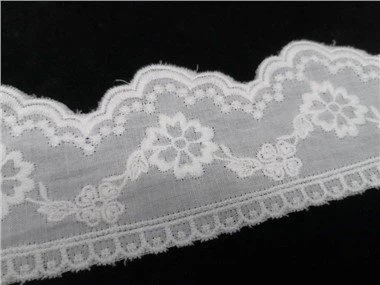

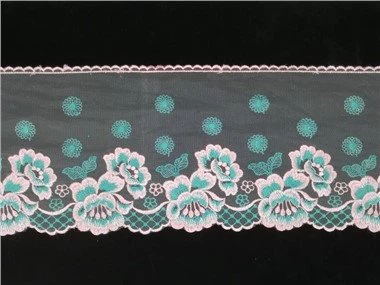


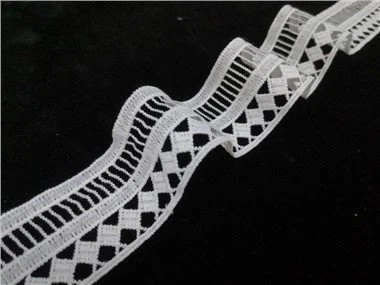
What is Embroidery Lace Trim?
Embroidery lace trim is a type of decorative edging that combines embroidery with lace to create an ornamental border. It is often used in garments, home textiles, and craft projects to add elegance, detail, and texture. The trim can be made from various materials such as cotton, linen, silk, or synthetic fibers, and it may feature intricate patterns including flowers, leaves, geometric designs, or other motifs.
Benefits of Embroidery Lace Trim
Aesthetic appeal
Embroidery lace trim adds a touch of elegance and sophistication to any garment or textile. Its intricate designs can elevate simple items into statement pieces, making them stand out.
Versatility
This trim can be used on a wide range of products, from clothing and accessories to bedding and drapery. Its versatility allows designers to incorporate it into various styles, whether classic, romantic, or modern.
Texture enhancement
Embroidery lace trim introduces a unique texture to fabrics. The combination of lace and embroidery creates a three-dimensional effect that can add depth and interest to flat surfaces.
Customization
With numerous designs available, embroidery lace trim can be chosen to match specific themes or personal preferences. It allows for customization in both professional settings, such as boutique clothing lines, and personal DIY projects.
Durability
When properly applied, embroidery lace trim can be quite durable. The stitching used in the embroidery process helps secure the design onto the fabric, which can make the trim resistant to wear and tear.
Professional finish
In garment construction, using embroidery lace trim can provide a clean and professional finish to hemlines and edges. It can hide raw fabric edges and reduce the need for additional finishing techniques.
Added value
For manufacturers and retailers, embroidery lace trim can add value to their products. The perceived luxury associated with lace and embroidery can justify higher pricing points and appeal to customers willing to pay more for detailed craftsmanship.
Cultural significance
In some cases, embroidery lace trim carries cultural or traditional significance. It can represent heritage and craftsmanship, adding not just aesthetic value but also historical and cultural depth to a piece.
Eco-friendly option
For those looking for sustainable options, there are eco-friendly embroidery lace trims available, made from organic or recycled materials. This allows consumers to make more environmentally conscious choices without sacrificing style.
Types of Embroidery Lace Trim
Cotton lace trim: Often featuring simple, delicate patterns, cotton lace trims are versatile and can be used for casual to semi-formal garments and home textiles.
Brocade lace trim: This type is characterized by elaborate patterns and raised designs. It's usually heavier than other laces and is suitable for formal wear or upscale home decorations.
Vintage lace trim: Vintage-style lace trims are reminiscent of older, more traditional patterns, and can add a sense of nostalgia or classic elegance to modern designs.
Machine-made lace trim: Mass-produced using machines, these trims offer a wide variety of designs at a lower cost. They are commonly used in commercial applications and can mimic handmade lace.
Handmade lace trim: Crafted by skilled artisans, handmade lace trims are more intricate and unique. They are often more expensive and sought after for their quality and individuality.
Lace appliqués: These are pre-embroidered pieces of lace that can be sewn onto fabric for a quick and easy way to add decoration. They come in various shapes and sizes.
Edging lace: Designed specifically to finish the edges of fabrics, edging lace trims have scalloped or zigzag edges. They are perfect for hemlines, necklines, and sleeve cuffs.
Floral lace trim: Featuring floral patterns, this type of lace trim is romantic and feminine. It's commonly used on women's clothing, lingerie, and bridal wear.
Fringe lace trim: Combining lace with strands of fringe, this trim adds a bohemian or whimsical touch to garments and accessories.
Guipure lace trim: Known for its thicker body and open spaces, guipure lace has a more structured look and is often used for high-end garments and lingerie.
Alençon lace trim: Named after the city of Alençon in France, this lace is known for its fine needlework and detailed floral motifs. It's considered one of the most luxurious types of lace.
Chantilly lace trim: Characterized by its softness, delicacy, and large floral patterns, Chantilly lace originated in France and is another high-end option for embellishment.
Application of Embroidery Lace Trim
Fashion industry
In clothing, embroidery lace trim is utilized to add detail to garments such as dresses, blouses, skirts, and evening wear. It can be found on hemlines, necklines, sleeves, and as decorative accents on collars and cuffs. It's also popular in lingerie and swimwear, adding a touch of elegance and femininity.
Home furnishings
For home textiles, embroidery lace trim can embellish curtains, pillowcases, bedspreads, and tablecloths, bringing a decorative element to interior design.
Wedding and bridal
Wedding dresses, veils, and bridal accessories frequently incorporate embroidery lace trim to create a sophisticated and elegant look.
Crafts and hobby
DIY enthusiasts use embroidery lace trim to personalize projects such as handbags, scarves, hats, and even clothing alterations. It adds a unique touch to homemade gifts and crafts.
Accessories
Embroidery lace trim is used to adorn belts, shoes, headwear, and jewelry, providing an ornamental finish to accessories.
Costumes and theater
In costume design for theater, film, and dance, embroidery lace trim can be used to convey a certain period or character style, adding authenticity to the performance attire.
Interior decoration
Beyond textiles, embroidery lace trim can be applied to picture frames, lamp shades, and other decorative items to create an antique or vintage aesthetic.
Art installations
Some artists incorporate embroidery lace trim into their installations or mixed-media works, using it for its texture and visual impact.

Components of Embroidery Lace Trim
Ground fabric: This is the base material onto which the lace pattern is worked. Common ground fabrics include cotton, linen, polyester, or nylon. The choice of ground fabric affects the lace's strength and flexibility.
Thread: High-quality thread is crucial for creating intricate designs. Thread materials may include cotton, silk, rayon, or polyester, and the thickness and type of thread will influence the lace's appearance and durability.
Design elements: These are the patterns and motifs woven or embroidered into the lace. Design elements can be floral, geometric, abstract, or based on any number of themes. They are created using different stitches and techniques.
Bobbins or shuttles: In traditional lace-making, bobbins are used to hold the thread while creating the design. In machine-made lace, shuttles may be employed to weave the threads together.
Lace edges
These are the finished edges of the lace trim, which can be scalloped, picoted, or have other decorative finishes. The edge treatment contributes to the overall look and function of the trim.
Spacer elements
These are used to create space between the design elements, giving lace its open and airy quality. Spacer elements can be made from the same thread or from a heavier material, depending on the desired effect.
Fastening methods
Embroidery lace trim is typically attached to garments or other items using various stitching techniques, such as backstitch, blanket stitch, or zigzag stitch. Some trims may come with adhesive backing for easier application.
Finishing touches
After the lace is applied, finishing touches may be added, such as ribbon insertion, beading, or additional embroidery, to enhance the design further.
Material of Embroidery Lace Trim
Cotton: Cotton is a popular choice due to its natural breathability, comfort, and affordability. It's often used for casual and everyday garments and home textiles. Cotton lace is also easy to care for and maintain.
Linen: Linen lace has a crisp texture and is known for its strength and durability. It's often used in more formal or high-end applications, such as wedding dresses and upscale home decor.
Silk: Silk lace trim offers a luxurious feel and a sheen that adds a touch of elegance. It's typically used for special occasion wear and bridal attire.
Polyester: Polyester lace is known for its versatility and resistance to wrinkling, making it a practical choice for a wide range of applications. It's often used in mass-produced garments and home textiles.
Nylon: Nylon lace trim is lightweight and has good elasticity, making it suitable for stretchable items like sportswear or activewear.
Rayon: Rayon lace has a silky smooth texture and can mimic the look of more expensive fibers like silk at a lower cost. It's often used in lingerie and evening wear.
Batonnet lace: This type of lace is made using bobbins (batons) and is typically composed of linen or cotton thread. It features intricate patterns and is known for its delicate and airy appearance.
Alençon lace: Made with fine cotton or linen threads and embellished with silk or rayon, Alençon lace is known for its high quality and detailed floral designs.
Chantilly lace: Similar to Alençon lace but with a less pronounced relief, Chantilly lace is made from fine cotton or silk threads and is characterized by its open, airy design and scalloped edges.
Machine-made lace: Machine-made lace can be made from a variety of synthetic fibers like polyester, nylon, or rayon. It's produced quickly and offers consistent patterns at a lower cost compared to handmade lace.
Process of Embroidery Lace Trim
The process of creating embroidery lace trim involves several steps, particularly when done by hand. While modern manufacturing often utilizes machines for efficiency, traditional handcrafting methods still offer unmatched artistry and detail. Below is an outline of the typical processes for creating both handmade and machine-made embroidery lace trim


Handmade embroidery lace trim process:
1. Design creation: The first step involves creating a lace design, which can be drawn freehand or transferred from a paper pattern onto the ground fabric.
2. Preparation of materials: Selecting the appropriate ground fabric and thread is crucial. The ground fabric is stretched over a frame called a tambour to keep it taut during the embroidery process.
3. Bobbin lace making: Bobbins are wound with thread, and knots are tied at each end. The bobbins are then used to create the lace pattern through a series of twists and loops.
4. Pins and needles: Pins are used to hold the work in place on the tambour, and needles are used to execute stitches that form the lace's design.
5. Embroidery techniques: Various stitches such as the picot, buttonhole, and clover leaf are used to create the intricate patterns that make up the lace.
6. Joining sections: As the lace grows, sections are joined together to create a continuous trim. This is done with precision to ensure the design flows seamlessly.
7. Finishing: Once the lace is complete, the excess ground fabric is cut away, and the lace is blocked and shaped if necessary. Finally, the ends are finished to prevent fraying.
Machine-made embroidery lace trim process:
1. Design input: Computerized embroidery machines use digital designs that are programmed into the machine's software.
2. Selection of materials: Ground fabric is loaded onto the embroidery machine, and thread colors are chosen according to the design requirements.
3. Machine setup: The machine is set up with the appropriate hoop size and needle type for the fabric and thread being used.
4. Embroidery execution: The machine stitches the design onto the ground fabric using a variety of stitch types and techniques. Modern machines can create complex lace patterns quickly and efficiently.
5. Cutting and trimming: After the embroidery is complete, excess ground fabric around the lace may be trimmed away by the machine or by hand, depending on the design.
6. Quality check: The lace trim is inspected for any Flaws or imperfections.
7. Finishing: The lace is steamed or heat-set to stabilize the stitches and then rolled or packaged for sale or distribution.
Maintaining embroidery lace trim requires careful handling and proper storage to preserve its beauty and longevity. Here are some tips to help you keep your lace trim in excellent condition:
Hand wash only: Delicate lace trims should be hand washed in cold water using a gentle detergent. Avoid vigorous scrubbing or wringing, as this can cause the lace to stretch or tear.
Use a mesh bag: When washing, place the lace trim in a mesh laundry bag to protect it from snagging on other items.
Gentle soaking
Allow the lace to soak in the soapy water for a short period, typically no longer than 15-20 minutes, to remove dirt and stains.
Rinse thoroughly
Rinse the lace trim in clean, cool water until all soap residue is removed. Ensure that the water runs clear.
Pat dry
Gently press the lace between two towels to remove excess moisture. Do not twist or wring the lace, as this can damage the delicate structure.
Lay flat to dry
Lay the lace trim flat on a dry towel in a well-ventilated area, away from direct sunlight, which can fade the color. Do not hang lace to dry, as gravity can stretch it out of shape.
Avoid ironing
If ironing is necessary, use a pressing cloth and set the iron to the lowest temperature setting. Do not apply pressure directly to the lace, as the heat can melt synthetic fibers or damage the delicate design.
Proper storage
Store lace trim in a cool, dry place to prevent yellowing and mildew. Use acid-free tissue paper to wrap individual pieces, and store them folded in a box or drawer lined with more acid-free tissue paper. Avoid plastic containers, as they can trap moisture and cause damage.
Avoid direct sunlight
Prolonged exposure to sunlight can weaken the fibers and cause fading. Store lace trim in a dark or shaded area.
Handle with care
Always handle lace trim gently with clean hands to prevent oils and dirt from transferring onto the fabric.
Check for tangles
Regularly check stored lace for tangles or knots, and carefully untangle them to prevent damage to the delicate design.
Choosing and using embroidery lace trim correctly involves considering several factors to ensure that the final product complements the garment or item you are enhancing. Here are steps and tips for selecting and applying embroidery lace trim:
1. Determine the purpose: Decide where you will use the lace trim. Is it for edging a neckline, adding decoration to a sleeve, or embellishing home textiles? Knowing the purpose will guide you in choosing the right style and width.
2. Select appropriate style: Lace trims vary in style from classic and elegant to modern and whimsical. Choose a style that suits the overall look you want to achieve and the item's existing design elements.
3. Match the color: Select a lace trim color that coordinates with the main fabric. You can opt for a contrasting color for a bold statement or a matching color for a subtle effect. Consider the color under different lighting conditions to ensure the best match.
4. Assess the quality: Look for lace trims with even stitches, consistent patterns, and minimal Flaws. High-quality lace will have stronger, more durable threads that can withstand wear and washing.
5. Consider the weight and texture: Lace trims come in different weights and textures. A heavier lace might be suitable for a structured garment, while a lighter, more delicate lace might be better suited for sheer fabrics or delicate blouses.
6. Measure accurately: Before cutting or applying the lace trim, measure the area where it will be placed to ensure you have enough length. It's always better to have extra trim than to fall short.
7. Prepare the edge: If you're adding lace to a raw edge, finish the edge first by hemming or using a serger to prevent fraying and to give the lace a neat base to adhere to.
8. Secure the lace: Begin attaching the lace trim by pinning it in place along the edge you wish to decorate. Make sure the pins are evenly spaced to avoid puckering.
9. Stitch carefully: Use a sewing machine or hand-stitch the lace trim to the item. For machine stitching, choose a fine needle and a thread that matches the lace or is invisible against the main fabric. For hand-stitching, use a small, sharp needle and a fine thread, and take tiny stitches for a seamless appearance.
10. Finish the ends: When you reach the starting point, overlap the lace slightly and secure it with a few additional stitches. Trim any excess threads, and if visible, tuck the ends under the lace for a clean finish.
11. Press gently: If needed, use a pressing cloth and a low iron setting to flatten the lace trim and ensure it lies smoothly against the fabric. Be cautious not to apply too much heat or pressure, which could damage the lace.
Influence Factors of Embroidery Lace Trim Design
The design of embroidery lace trim is influenced by a variety of factors, each contributing to its aesthetic appeal and functional properties. Here are key considerations that impact the design process:
Materials: The choice of yarn or thread (such as cotton, silk, rayon, or polyester) affects the texture, strength, and sheen of the lace. Different materials can also suggest different styles and periods, with certain fibers being more traditional or modern in their associations.
Stitch techniques: The type of embroidery stitches used in the lace (like satin stitch, eyelet, or French knot) define the intricacy and pattern complexity. Some stitches are more durable than others, influencing the lace's suitability for various applications.
Pattern and motifs: The motifs (floral, geometric, abstract) and overall pattern of the lace reflect cultural influences, fashion trends, and artistic preferences. These designs can range from simple and understated to highly detailed and ornate.
Color: The color palette chosen for the lace trim adds to its visual impact and can dictate how and where it is used. Neutral colors offer versatility, while bolder hues can make a statement. Some laces are dyed after production, allowing for a wider range of colors.
Width and scale: The width of the lace trim affects its proportion relative to the item it is applied to. A wider trim may be used for dramatic effect, while narrower trims are often used for delicate accents. Scale refers to the size of the motifs within the lace; larger motifs may be more appropriate for oversized garments, while smaller motifs work well for detailed embellishments.
Production method: The technique used to create the lace (bobbin lace, needlepoint lace, machine-made lace) influences the design possibilities. Handmade lace allows for greater customization and detail, whereas machine lace can produce more uniform and complex patterns at a faster rate.
Functional requirements: The intended use of the lace trim affects its design. For example, lace intended for clothing may need to be more flexible and comfortable against the skin, while lace for home furnishings might prioritize durability and ease of cleaning.
Trends and influences: Current fashion and interior design trends can inspire new lace designs. Additionally, historical lace designs can be revived or adapted for contemporary use, blending tradition with modern aesthetics.
Cost and accessibility: The desired design must be achievable within the constraints of production costs and market availability of materials. This can limit the complexity and scale of the design.
Sustainability and ethics: Increasingly, designers are considering the environmental impact of their materials and production methods. Eco-friendly fibers and ethical labor practices can influence lace design choices.

The total investment of the company is 300 million Yuan, have more than 600 staff in total , and plant area is 90000 square meters.
FAQ
Q: What distinguishes embroidery lace trim from other types of lace?
Q: What materials are commonly used to produce embroidery lace trim?
Q: How does the manufacturing process of embroidery lace trim differ between hand and machine methods?
Q: Can embroidery lace trim be applied to different types of fabrics?
Q: What are the typical applications for embroidery lace trim in fashion?
Q: How do you match embroidery lace trim with the fabric color?
Q: What techniques are used to attach embroidery lace trim to clothing or other items?
Q: Is there a specific way to care for embroidery lace trim?
Q: Can embroidery lace trim be dyed?
Q: What factors influence the price of embroidery lace trim?
Q: How can one repair damaged embroidery lace trim?
Q: Are there eco-friendly options for embroidery lace trim?
Q: How can one determine the quality of embroidery lace trim?
Q: What are the common widths of embroidery lace trim available?
Q: Is embroidery lace trim suitable for children's clothing?
Q: Can embroidery lace trim be used in home decor?
Q: How do trends influence the design of embroidery lace trim?
Q: What is the history of embroidery lace trim?
Q: Is there a difference between lace trim and lace edging?
Q: What is the significance of lace trim in cultural contexts?
As one of the most professional embroidery lace trim manufacturers and suppliers in China, we're featured by custom products made in China. Please rest assured to buy high quality embroidery lace trim for sale here from our factory. Contact us for customized service.
white cotton lace trim, insertion lace trim, Home Textile Embroidery Lace