


Founded in 1991, Jiangsu Golden Autumn Group is one of the world's leading manufacturers of garment accessories serving customers all over the world. The products are widely used in intimate apparel and sportswear. The company has advanced manufacturing facilities and technologies. Complete processes including yarn twisting, covering, yarn dyeing, crochet, weaving, warp knitting, after-dyeing and printing are all under one roof.
The company was founded in 1991 and started from ordinary elastics; year 2000, started to develop all kinds of jacquard elastic and were among the earliest factories producing jacquard elastics in Jiangsu province; year 2004, transisted and upgraded to producing jacquard, woven elastic, and after-dyeing elastics for underwear(bra strap, underwear band, folded elastc); year 2007, moved to new factory, with enlarged capacity and improved quality control, to serve customers all over the world; year 2011,established new company Jiangsu Golden Autumn Lace Co., LTD, professional in design, development, production and sales of lace and fabric products.
Why choose us?
Factory area
The total investment is 300 million Yuan, have more than 600 staff in total, and plant area is 90000 square meters.
Production capacity
Fully equipped tangible plant,professional quality and extreme nice price are our core competitiveness.
OEM solutions
Can be customer design. We have the ability to design, custom made and instant pattern making, etc.
After-sales service
To provide clients with professional design, research and development and other technical consulting, etc.
-

3D Pvc Rubber Silicone Patches Tag Label
Silicone clothing labels have become a popular choice for fashion designers and clothing
Add to Inquiry -
Available in various designs and colors, high quality and competitive price, superb in workmanship
Add to Inquiry -
Jiangsu Golden Autumn Lace Company mainly manufacturer lace embroidery and integrate flower pattern
Add to Inquiry -
Jiangsu Golden Autumn Lace Company is located in NO.301,Chenggang Road,Chongchuan
Add to Inquiry -
Product Type:Lace. 7 days sample order lead time:Support. Material:Spandex / Nylon. Fabric
Add to Inquiry -
Cute Childrens Wear Elastic Lace Trim
Cargo Number: JX18-7320. Material :85% chinlon 15% spandex. Bar width :1.5 cm. Brand: Golden Autumn
Add to Inquiry -
Product Type:Lace. 7 days sample order lead time:Not Support. Material:Spandex and Nylon.
Add to Inquiry -
Roduct Type:Lace . 7 days sample order lead time:Support. Material:Spandex / Nylon. Fabric
Add to Inquiry -
Decorative Inelastic Lace Trim
Thick and transparent texture, soft feel, bright color, good color fastness, will not pill
Add to Inquiry -
The goods before we ship out will be checked whether it is good or not, if is damaged, we won’t
Add to Inquiry -
●High competitiveness of nice cost performance. Fully equipped tangible plant,professional quality
Add to Inquiry -
Product Type:Lace. 7 days sample order lead time:Support. Material:Cotton. Fabric Type:Embroidery.
Add to Inquiry


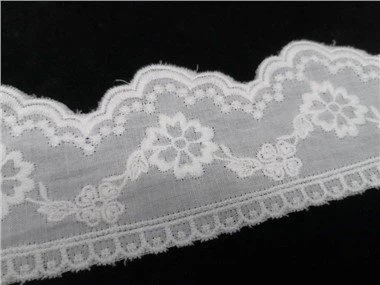
What is Lace Trim?
Lace trim is a decorative accent used on fabric or clothing that is made from lace material. It is usually a narrow strip of lace that is added to the edges of a garment, such as cuffs, collars, hems, or neckline. Lace trim adds an elegant touch to apparel or home decor and can come in a variety of patterns, widths, colors, and materials like cotton, nylon, polyester, or silk. It can be either machine-made or handmade, and is often used in lingerie, bridal wear, vintage-inspired clothing, and crafts.
Benefits of Lace Trim
Adds feminine touch
Lace trim has a soft and delicate look which can add a feminine touch to any garment or accessory.
Versatile
Lace trim can be used for a variety of sewing projects including dresses, skirts, blouses, lingerie, home décor items and crafts.
Beautiful texture
The intricate patterns and details of lace trim provide beautiful texture and depth to any project.
Enhance design
Lace trim can enhance any design, from simple to complex, it can add a touch of elegance to any project.
Affordable
Lace trim is a cost-effective way to add interest and style to any sewing project.
Comfortable
Lace is usually lightweight and breathable, so it is comfortable to wear against the skin making it an ideal choice for lingerie or sleepwear.
Low maintenance
Lace can be regularly laundered without losing its shape or texture, making it an easy-care material to work with.
Wide range of options
Lace comes in many different colors, patterns, and widths making it easy to match it with any style or color palette.
Cotton lace trim
This is a classic lace trim that is soft and breathable. It is usually used for lingerie, dresses, and other delicate garments.
Chantilly lace trim
This is a delicate, fine, and sheer lace trim that is known for its complex patterns. It is commonly used for bridal wear, lingerie, and evening dresses.
Eyelash lace trim
This is a scalloped lace trim that has a delicate fringe that looks like eyelashes. It is commonly used in lingerie and evening wear.
Metallic lace trim
This is a lace trim that is made with metallic thread. It adds shimmer and shine to garments and is commonly used in evening wear and accessories.
Guipure lace trim
This is a heavy and stiff lace trim that has a raised texture. It is usually used for heavy garments, such as coats and jackets.
Venise lace trim
This is a decorative and intricate lace trim that is commonly used in bridal wear and evening gowns. It features unique designs and scrollwork.
Cluny lace trim
This is a simple and elegant lace trim that is commonly used in clothing, curtains, and home decor. It features geometric shapes and patterns.
Crochet lace trim
This is a handmade lace trim that is created using a crochet hook and thread. It is versatile and can be used in a wide variety of garments and accessories.
Tulle lace trim
This is a delicate and lightweight lace trim that is commonly used in bridal veils, wedding gowns, and evening wear. It is made from fine netting and usually features floral or geometric designs.
Ribbon lace trim
This is a lace trim that is embellished with ribbons and bows. It is commonly used in children's clothing, lingerie, and home decor.
Lace trim is a delicate and decorative fabric that is commonly used to enhance the beauty of an outfit or add a touch of elegance to various projects such as clothing, home decor, and crafts. This type of trim features intricate designs that are made by weaving fine threads together to create a delicate and elegant finish.
Lace trim can be made from various materials such as cotton, silk, nylon, rayon, or polyester. Cotton lace is known for its softness, breathability, and natural look, making it suitable for summer dresses and lingerie. Silk lace, on the other hand, is more expensive and luxurious, with a lustrous sheen that adds a touch of elegance to any garment. Nylon and polyester laces are more durable and affordable, making them ideal for everyday wear and machine washing.
The designs of lace trims can range from simple and classic patterns like floral and geometric shapes to more intricate and detailed designs like scallops, ribbons, and embroidery. They also come in various widths and colors, making it easy to match the trim to the intended use. While most lace trims come in white or ivory, they can be dyed to match any color scheme.
Lace trim is versatile and can be used in various applications such as edging, applique, and insertion. It can be sewn onto clothing, bed linens, and home decor items like curtains and tablecloths. It can also be used for DIY projects like making a lace necklace or headband.
Lace trim is a delicate and beautiful material that adds a touch of elegance and beauty to any project. Its versatility in terms of materials, designs, and colors makes it a popular choice for fashion and home decor enthusiasts.
Application of Lace Trim
Lace trim is widely used in the fashion industry to create stunning and beautiful outfits such as dresses, skirts, blouses, lingerie, and more. It is great for adding a feminine touch to any garment, making it look exquisite and timeless.
Lace trim has been a favorite choice for wedding dresses and bridal wears since the Victorian Era. It is perfect for creating a romantic and vintage-inspired look. Various styles of lace trims are used in bridal gowns, including Chantilly, Alencon, and guipure.
Lace trim can add a touch of elegance and sophistication to home decor items, such as tablecloths, curtains, bedspreads, and pillowcases. It can create a cozy and inviting ambiance in any room and make your home look more stylish and chic.
Lace trim is highly versatile and can be used to create beautiful costumes and theatre outfits. It can also be used to add a touch of authentic vintage look to historical garments and costumes.
Lace trims are excellent for DIY projects, such as scrapbooking, card making, and decorations for festivals and special occasions. It can be used to add a personalized touch to any project, and there is a wide range of colors and styles available to choose from.
Process of Lace Trim
Designing the lace
The first step in the production of lace trim is designing the lace itself. This involves creating a pattern that will be used to create the lace. The design can be done by hand or using computer software.
Preparing the yarn
The next step is preparing the yarn that will be used to create the lace. This involves selecting the type of thread or yarn that will be used and preparing it for use in the lace-making process.
Creating the lace
The lace is created by using a variety of techniques such as bobbin lace making, needle lace making, or machine lace making. The chosen method will depend on the design of the lace and the quantity of the lace needed.
Cutting the lace
Once the lace has been created, it is cut to size to fit the specific application. The edges of the lace are typically left unfinished or raw to allow for easier attachment to the item it will be used on.
Adding the trim
The final step in the process is to add the lace trim to the item it is intended for. This can be done through a variety of methods such as stitching, gluing, or attaching the trim using snaps or other fasteners.
Lace trim components are decorative elements used in garment and textile design. These components are usually made from delicate lace fabric and can be used to create intricate patterns and designs on clothing, accessories, and home decor items. Lace trim components are available in a wide variety of shapes, sizes, and colors, making them ideal for creating unique and personalized designs.
The most common types of lace trim components include lace appliqués, lace flowers, lace edgings, and lace motifs. Lace appliqués are pre-cut shapes of lace that can be sewn onto clothing or accessories. Lace flowers are made by cutting floral patterns out of lace fabric and can be used to decorate clothing or as a stand-alone accessory. Lace edgings are narrow strips of lace that can be sewn onto hems, cuffs, and collars to add a delicate touch. Lace motifs are small lace designs that can be used to create intricate patterns on clothing or accessories.
Lace trim components can be made from a variety of materials, including cotton, polyester, silk, and nylon. Each material provides a different look and feel, with cotton and silk lace being more delicate and luxurious, while polyester and nylon lace are more durable and resistant to wear and tear.
Lace trim components are often used in conjunction with other embellishments, such as beads, sequins, and embroidery, to create unique and eye-catching designs. They can be used to create a vintage look, a romantic feel, or a contemporary edge to any garment or accessory.
Lace trim components are versatile and beautiful design elements that can be used to elevate any garment or accessory. With a wide variety of shapes, sizes, and colors to choose from, they offer endless creative possibilities for creating unique and personalized designs.

How to Maintain Lace Trim?
Hand wash
Lace trim is delicate and is easily damaged by the agitation of a washing machine. Therefore, it is best to wash it by hand using a mild detergent and cold water. Gently swish the lace in the water for a few minutes, and then rinse it thoroughly.
Do not bleach
Avoid using bleach or other harsh cleaning agents that can damage the delicate fibers of the lace.
Drying
Air drying is best for lace trim. Do not wring or twist the lace, as this can stretch or damage the fibers. Instead, gently press out the water with a towel, and then lay the lace flat on a clean surface or hang it on a hanger to dry.
Storing
Store lace trim in a cool, dry place away from direct sunlight, as exposure to sunlight can cause fading and discoloration. You can wrap the lace in acid-free tissue paper or store it in a fabric bag to protect it from dust and dirt.
Ironing
If you need to iron your lace trim, use a low heat setting and place a pressing cloth or a piece of muslin over the lace to protect it from the heat of the iron. Gently press the iron over the lace, but do not rub or scrub it.
Wash lace trim before use
Before using lace trim, it is important to wash it to remove any dirt, dust, or bacteria that may have accumulated during storage or shipping. This will help to prevent any allergic reactions or infections.
Cut lace trim carefully
When cutting lace trim, use sharp scissors and cut it slowly and carefully to prevent the lace from tearing or fraying. If the lace is delicate or intricate, it may be helpful to use a small pair of scissors to make precise cuts.
Use the right needle and thread
When sewing lace trim, it is important to use needles and thread that are appropriate for the fabric and the type of lace. Choose a needle that is thin enough to pass through the lace without damaging it, but sturdy enough to support the weight of the lace. Use a thread that matches the color of the lace, and choose a weight that is appropriate for the fabric.
Avoid stretching the lace
When sewing lace trim onto a garment, be careful not to stretch the lace too much. Stretching the lace can cause it to become distorted or rip, which can ruin the final product. Instead, sew the lace onto the garment with gentle and even tension.
Store lace trim carefully
To prevent lace trim from becoming damaged, store it in a cool, dark, and dry place. Avoid storing lace trim in a damp or humid environment, as this can cause mold or mildew to grow. Keep the lace trim in a sealed container or bag to protect it from dust and insects.
Test before applying heat
If you plan to use heat to shape or bond the lace trim, such as with an iron or a glue gun, it is important to test the heat on a small, inconspicuous area first. This will help you to determine the appropriate heat and pressure needed to avoid damaging the lace and the fabric.
How to Choose Lace Trim
Look at the material
Lace can be made from various fibers such as cotton, polyester, silk, and nylon. Choose a material that matches the fabric of your garment or complements it. For example, you can use cotton lace for a casual or rustic look and silk lace for a more luxurious appearance.
Consider the color
Lace trim comes in a range of colors, including white, ivory, black, and many other shades. Choose a color that works well with your garment, or opt for a contrasting color to create a bold statement.
Decide on the width
Lace trim can be narrow or wide, so choose the appropriate width for your garment. If you're using lace for a subtle touch, a narrow trim may be best. A wider trim can be used to highlight a particular area of the garment, such as the hemline or neckline.
Look at the pattern
Lace trim can come in a range of patterns, from floral to geometric designs. Choose a pattern that complements the style of your garment and adds to its overall aesthetic.
Check the texture
Lace trim can have a smooth or rough texture, and some may have a more three-dimensional appearance. Consider the texture of your garment and choose a lace trim that complements it.
Think about the occasion
Consider the occasion for which you're making the garment. If it's for a formal event, you may want to choose a more intricate and luxurious lace trim. For a more casual or everyday garment, a simpler lace trim may be more appropriate.

Founded in 1991, Jiangsu Golden Autumn Group is one of the world's leading manufacturers of garment accessories serving customers all over the world. The products are widely used in intimate apparel and sportswear. The company has advanced manufacturing facilities and technologies. Complete processes including yarn twisting, covering, yarn dyeing, crochet, weaving, warp knitting, after-dyeing and printing are all under one roof.
FAQ
Q: What is lace trim?
Q: What materials are lace trims made of?
Q: What are the different types of lace trims?
Q: How do I care for lace trim?
Q: How can I use lace trim in my sewing projects?
Q: What is the difference between lace trim and lace fabric?
Q: What are some popular uses of lace trim?
Q: How is lace trim attached to fabric?
Q: Can lace trim be dyed?
Q: How is lace trim used in fashion?
Q: How do I care for lace trim items?
Q: Can lace trim be used in DIY projects?
Q: How is lace trim used?
Q: How do I sew lace trim?
Q: Can lace trim be machine washed?
Q: What types of lace trim are available?
Q: How is lace trim measured?
Q: Can lace trim be washed?
Q: What are some popular styles of lace trim?
Q: Is lace trim available in different colors and styles?
As one of the most professional lace trim manufacturers and suppliers in China, we're featured by custom products made in China. Please rest assured to buy high quality lace trim for sale here from our factory. Contact us for customized service.
Home Textile Embroidery Lace, Polyester Lace Sewing Trim, sewing trim on clothing