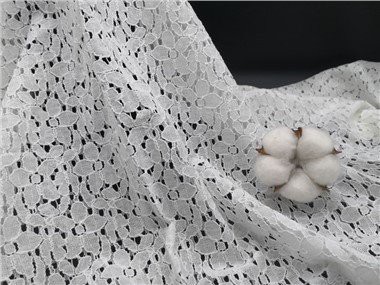

Fashion Knitted Lace Fabric
Lace is a weblike fabric with intricate patterns of holes and threads. People can make it by hand or machine, using different methods and materials.Lace fabrics are very popular nowadays, especially in the fashion industry.
Description
Company Profile
The company was founded in 1991 and started from ordinary elastics; year 2000, started to develop all kinds of jacquard elastic and were among the earliest factories producing jacquard elastics in jiangsu province; year 2004, transisted and upgraded to producing jacquard, woven elastic, and after-dyeing elastics for underwear(bra strap, underwear band, folded elastc); year 2007, moved to new factory, with enlarged capacity and improved quality control, to serve customers all over the world; year 2011,established new company jiangsu golden autumn lace co., ltd, professional in design, development, production and sales of lace and fabric products.
Why Choose Us
Our product
Narrow lace trim, wide lace trim, lace fabric, lace post-processing, collar lace, embroidery trim, embroidery fabric, post-embroidery work.
Production market
Successfully passed audit by disney, wal-mart, uniqlo, and attracted customers from all over the world, turnover has reached 250 million yuan in recently two years.
Our certificate
The company employed automation and information technology to continuously improve production. Committed to quality improvement and environmental protection. Jiangsu golden autumn group is iso9001, iso14000, 0eko-tex standard 100(class 1) and grs, bsci,tqp certified.
Our service
To provide clients with professional design, research and development and other technical consulting, sample support, enterprise introduction, credit certificate, etc. The professional quality inspection and quality records to ensure the quality of each process during the whole product manufacturing process.

Material:Spandex / Nylon/Rayon.
Technics:Fall plate.
Feature:Geometric,elastic.
Decoration:Clothes.

Lace fabric for sexy underwear offer irresistible discounts that make them irresistible, especially because of their amazing value. They are highly resistant to oil, grease and sweat, making them easy to care for and durable.

Spandex fabrics are mostly used in garments where comfort and fit both are required like hosiery, swimsuits, exercise wear, socks, surgical hose, undergarments, gloves, cycling shorts, wrestling suits, rowing suits, specialized clothing like zentai suits, motion capture suits, denims, etc.

The nylon lace fabric is divided into two types, elastic and non-elastic. The composition of stretch lace fabric is a small amount of spandex plus a large amount of nylon, that is, nylon fabric, while the composition of non-stretch lace fabric is all nylon.

Eyelash lace is a type of French lace that is most commonly found on lingerie and delicate bridal wear - or garters! French laces are often regarded as the most luxurious and we get all of our French lace from France. It's so feminine and pretty and is a really classic look.
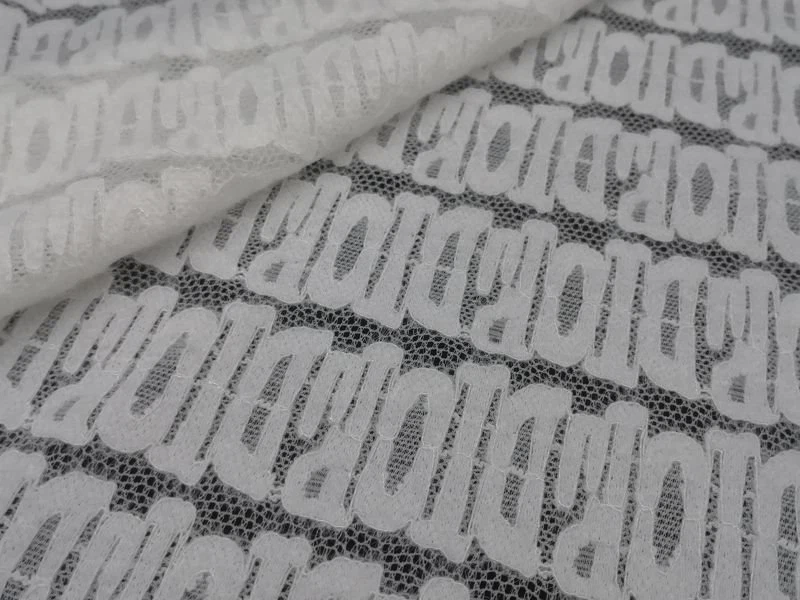
This kind of lace is suitable for autumn and winter.You can determine the letter,material or other aspects of it,they are all customized.Our professional research,design and product team will be bound to cater to your demand.

Knitted lace includes Shetland lace, such as the "wedding ring shawl", a lace shawl so fine that it can be pulled through a wedding ring. Knotted lace includes macramé and tatting. Machine-made lace is any style of lace created or replicated using mechanical means.

Cute Childrens Wear Elastic Lace Fabric
Our company and factory are all located in Nantong,Jiangsu, China. Main fabrics: Lace fabric, Tulle mesh fabric/ Net fabric, Embroidered fabric, Jacquard fabric, Bronzing, Flocking, Printed fabrics, etc.

Cotton lace fabric is patterned with open holes in the work, made by machine or by hand. The holes can be formed via removal of threads or cloth from a previously woven fabric, but usually, open spaces are created as part of the lace fabric.
Lace is a weblike fabric with intricate patterns of holes and threads. People can make it by hand or machine, using different methods and materials.Lace fabrics are very popular nowadays, especially in the fashion industry. It can create various styles and effects, from elegant and sophisticated to casual and playful.Lace has a long history that started in the renaissance era. It may have come from italy, flanders, ancient egypt, or the middle east. Lace-making became a global craft by the 20th century, with china and europe as significant makers.
Advantages of Fashion Knitted Lace Fabric
1.Soft texture. Softness is the feature of silk fabric and lace fabric. Of course, lace also has a sense of flow, which can reflect the beauty of curves.
2. Lace fabrics have clear patterns and obvious contours, which makes it easier for designers to design lace clothes that fit human curves.
3. Lace fabric is thin and breathable, in addition to making clothes and skirts, lace is also widely used in underwear.
4. The pattern is exquisite, and it has a three-dimensional effect when matched with other fabrics, which is very suitable for expressing retro, elegant and feminine style
5.Make spring and winter clothes, which are elegant and generous, cater to the beauty of female friends, and can keep warm and cold; in autumn and summer, they can be breathable and cool, fresh and pleasant. Lace fabric composite clothes are suitable for female friends of all ages.
Types of Fashion Knitted Lace Fabric
Filet lace
A filet lace is a mesh made with mesh needles. It uses lace thread to form the corners of the eye. And then, it creates an embroidery pattern in the middle.This is developed from fishing nets and hunting nets. It is an ancient handmade lace. And then mechanical mesh fabric replaces it.
Net/mesh lace
Net/mesh lace has cotton, silk, viscose, nylon, and other materials. They are lace-like textiles with a uniform mesh. Or the mesh becomes hexagons like a tortoise shell.Also, we can call it tortoiseshell fabric, raschel mesh pastry, daimaru mesh pastry, etc.
Crochet lace
Crochet lace is lace with an open hole pattern crocheted. It uses cotton thread as the main raw material. We can also call it hook flower. Crochet lace has metal, bamboo, wood, bone, etc materials. It is also a kind of cotton thread lace, cotton edge, gold lace, and small lace.
Knotted lace
Knotted lace is hand-knotted yarn or braid to make open-hole patterned lace. We use it as a treatment for selvage, string, and braid before the start of knotting. It developed from fishing nets and hunting nets. Then, it becomes the mother of bobbin lace. The more popular fringed lace is a kind of knotted lace.
Torchon lace
We call torchon lace beggar's lace in the 16th century. It is a simple narrow rib knot lace. Also, people often use torchon lace for edge trimming and embedding. But now, it has become the mainstream of mechanical lace.
Embroidery lace
Embroidery lace is an open-hole pattern made on fine muslin, hexagonal mesh fabric, etc. It adopts carving embroidery, net embroidery, drawing embroidery, intarsia, etc. And we can make it mechanically. Embroidered lace is suitable for textiles or clothing. Because the embroidered lace shows the product a unique 3d sense. So it also suits wedding dresses. A wedding dress with embroidery lace will have a feeling of being surrounded by layers.
The Manufacturing Process of Fashion Knitted Lace Fabric
Fashion knitted lace fabric is a delicate and intricate textile that has been used for centuries in fashion and home décor. It is made by weaving or knitting threads into a pattern of holes or spaces, creating a beautiful design.
Yarn preparation
The first step in the manufacturing process of lace fabric is yarn preparation. The yarn is wound onto cones and then placed on a creel. The creel holds the cones in place and feeds the yarn to the knitting or weaving machine.
Knitting or weaving
Lace fabric can be made using either a knitting or weaving machine. In both cases, the yarn is fed through the machine and is knitted or woven into a pattern. The pattern is created by using different techniques, such as knitting or weaving a certain number of stitches or threads together.
Dyeing and finishing
After the lace fabric is knitted or woven, it is dyed in the desired color. Dyeing can be done using different techniques, such as vat dyeing, yarn dyeing, or piece dyeing. Once the fabric is dyed, it goes through a finishing process to improve its quality and appearance. Finishing can include processes such as steaming, pressing, or applying special treatments to the fabric.
Inspection and quality control
Once the lace fabric is finished, it goes through an inspection and quality control process. The fabric is checked for any defects, such as holes, snags, or uneven stitches. The quality control process ensures that the fabric meets the desired standards and specifications.
Packaging and shipping
The final step in the manufacturing process of lace fabric is packaging and shipping. The fabric is carefully packaged and labeled for shipment to the customer. Packaging can include rolls, bolts, or other forms, depending on the customer's requirements.
Conclusion
The manufacturing process of lace fabric is a complex and intricate process that involves many steps, from yarn preparation to packaging and shipping. By understanding the manufacturing process, you can appreciate the craftsmanship and skill that goes into creating beautiful lace fabric.
How To Choose Bridal Lace Fabric?
Understand lace types
Familiarize yourself with different types of lace fabrics, each offering unique characteristics and aesthetics:
Chantilly lace: Delicate and lightweight with intricate floral motifs, ideal for vintage-inspired or romantic bridal looks.
Alençon lace: Features raised motifs on a sheer net background, often embellished with beading or embroidery, perfect for classic and elegant bridal gowns.
Guipure lace: Also known as corded lace, characterized by its dense and textured appearance, suitable for modern and contemporary bridal designs.
Duchess lace: Heavy and luxurious with a rich texture and satin finish, suitable for traditional and regal bridal gowns.
French lace: Renowned for its fine craftsmanship and intricate detailing, offering a luxurious and timeless appeal for high-end bridal wear.
Consider design elements
Hoose lace fabric that complements the design elements of your wedding gown or bridal ensemble:
Neckline and sleeves: Select lace with scalloped edges or intricate motifs for neckline and sleeve accents, adding elegance and femininity to the garment.
Bodice and skirt: Opt for lace with varying densities and textures for the bodice and skirt, creating visual interest and dimension.
Train and veil: Choose lace with dramatic motifs or floral patterns for the train and veil, enhancing the romantic and ethereal quality of the bridal ensemble.
Evaluate quality and texture
Assess the quality and texture of the lace fabric to ensure its suitability for bridal wear:
Fabric composition: Look for lace fabric made from high-quality materials such as silk, cotton, or synthetic blends, ensuring comfort and durability.
Hand feel: Gently touch the lace fabric to assess its softness, suppleness, and drape, aiming for a luxurious and tactile feel against the skin.
Density and sheerness: Examine the density of the lace motifs and the sheerness of the background fabric, balancing opacity and transparency for the desired effect.
If you need to iron stretch lace, use a low heat. Most stretch laces are made with some form of nylon or lycra, and will melt at higher heats. I would recommend that you start with an inconspicuous spot on the lace and "test" iron it. A press cloth can also help eliminate any melting issues. Lay it on top of the lace where you'll be ironing to give it a "safety layer". For a press cloth, I usually use a scrap piece of cotton fabric that won't melt.
If you are going to be wearing the lace, you should probably prewash it. This might sound like a no-brainer, but I hear that question a lot. Most fabrics will have their care instructions on the website you bought them from. I suggest you follow those. If you don't know the care instructions, you can usually machine wash it in a lingerie bag, and then hang dry.
Use a ball point needle for sewing stretch lace. Treat it like you would a knit in this case, ball point needles keep the lace from getting damaged, just as they do with knits. Non-stretch lace can handle a universal needle.
Use something to stabilize the start of your seam so your machine won't "eat" the lace. Few things are more frustrating than starting a new seam and having your lace get sucked down into your feed dogs! You can start with a more stable fabric and feed that through right before your lace to give it a starting point, and then trim it off after you've sewn your seam.
Back stitching at the start and stop of a seam can often make your machine "eat" the lace. If your seam will be joined with another seam, it should be secure enough to not need to back stitch.Example: If you've sewn a sleeve, the start and stop of the sleeve seam will often be encased in the side seam. That should secure it enough to not need to back stitch.
For stretch lace, use a stretch stitch or a zig-zag stitch. Since the lace stretches, your seam also needs to stretch. It's fairly similar to working with knits in this way. I know a lot of people don't like the look of zig-zag stitches, but one of the best things about working with lace is that, if you match your thread to your lace, the stitches are nearly invisible! Thanks to all the holes and beautiful patterns in the lace, your thread blends right in. For non-stretch lace you can use a straight stitch. You can also use a serger for your lace, however, if you do choose to serge your lace, I recommend that you make sure all the threads in your serger match, since your thread will be visible from both sides.
If you are using lace as an overlay, baste all like-pieces together. For example, cut one front piece in your main fabric, and cut one front piece in your lace. Next, baste those two layers together before piecing the pattern together, so you can treat them as one layer. It's an extra step, but I promise it will save you headaches and frustration down the road! It's so much easier to align four layers acting as two, than it is to align four layers acting as four.
Uses of Lace Textiles
Fashion industry
Lace fabric adds grace and femininity to dresses, shawls, lingerie, and festive outfits. It can also spice up any garment with trimmings, appliques, or brooches. Designers and clothing brands can use lace fabric to create different looks for different seasons and occasions.
Home decor
Lace fabric brings charm and elegance to lampshades, tablecloths, curtains, and pillows. Its soft and warm texture can also make any room cozy and romantic. You can use lace fabric to match any home decor product's color scheme or theme.
Bridal wear
Lace fabrics are a popular choice for bridal wear because it is romantic and sophisticated. It flatters the bride's features and silhouette with its sheer and airy quality. It adds sparkle and glamour with beaded or sequin embellishments on the dress, veil, shawl, or accessories.

How to Maintain Fashion Knitted Lace Fabric
Washing: Hand wash recommended
It is best to hand wash lace fabrics in cold water with a mild detergent. Gently swish the fabric around in the water, being careful not to wring or twist it. Use a gentle cycle and place the lace item in a mesh laundry bag to protect it.
Bleaching: Do not bleach
Avoid using bleach on lace fabrics, as it can be harsh and damage the delicate fibers. If you need to remove stains, opt for a gentle and follow the product's instructions.
Drying: Air dry
To dry, lay it flat on a clean, dry towel and gently blot away excess water. Do not wring or twist the fabric. Then, let the lace air dry by laying it flat or hanging it up, depending on the garment's design.
Ironing: Low heat or steam
If your is wrinkled, use a low heat setting on your iron or a steamer. Place a thin cloth or between the iron and the lace to protect the fabric. Be sure to iron or steam in a gentle, gliding motion to avoid damaging the lace.
Dry cleaning: Dry cleaning recommended
If your lace garment requires a more thorough cleaning, take it to a professional dry cleaner, especially if the care label specifies it. They will have the expertise and equipment needed to clean and care fordelicate lace fabrics safely.
FAQ
Hot Tags: fashion knitted lace fabric, China [productname]] manufacturers, suppliers, factory, black mesh lace fabric, fashion organza embroidery lace, Lace Fabric, flat lace trim by the yard, stretchy lace ribbon, Elegant Hollow Lace Fabric