

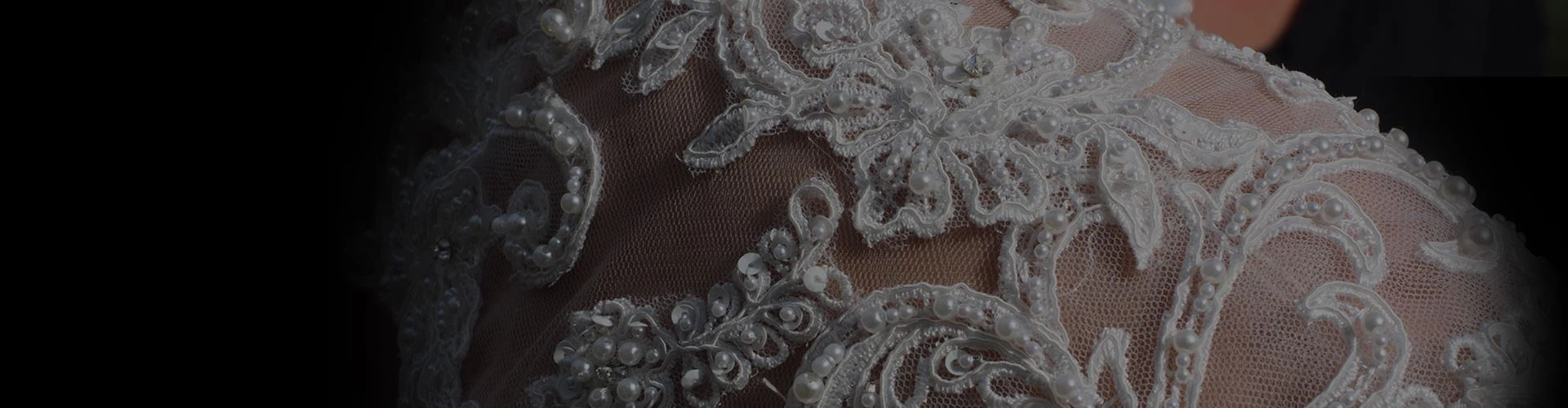

Embroidery Patches;woven Label For Garments
Our embroidered clothing label is a beautiful and unique addition to any garment. With intricate designs created by highly skilled artisans, our labels ensure a one-of-a-kind look. Whether you want to add a touch of elegance to your clothing line or make a statement with a bold design, we have a label for you.
Description
Founded in 1991, Jiangsu Golden Autumn Group is one of the world's leading manufacturers of garment accessories serving customers all over the world. The products are widely used in intimate apparel and sportswear. The company has advanced manufacturing facilities and technologies. Complete processes including yarn twisting, covering, yarn dyeing, crochet, weaving, warp knitting, after-dyeing and printing are all under one roof.The company was founded in 1991 and started from ordinary elastics; year 2000, started to develop all kinds of jacquard elastic and were among the earliest factories producing jacquard elastics in Jiangsu province; year 2004.
Why Choose Us
Our product
Narrow lace trim, wide lace trim, lace fabric, lace post-processing, collar lace, embroidery trim, embroidery fabric, post-embroidery work.
Production market
Successfully passed audit by disney, wal-mart, uniqlo, and attracted customers from all over the world, turnover has reached 250 million yuan in recently two years.
Our certificate
The company employed automation and information technology to continuously improve production. Committed to quality improvement and environmental protection. Jiangsu golden autumn group is iso9001, iso14000, 0eko-tex standard 100(class 1) and grs, bsci,tqp certified.
Our service
To provide clients with professional design, research and development and other technical consulting, sample support, enterprise introduction, credit certificate, etc. The professional quality inspection and quality records to ensure the quality of each process during the whole product manufacturing process.

Garment T-shirt Neck Tag Labels;print;heat Transfer Iron On Label
Our hot transfer printing clothing labels are the perfect way to add a touch of elegance and sophistication to your apparel. Made with the highest quality materials, our labels are designed to look great and last for years to come.

Heat Transfer Logo;customized;3D Silicone Printing Label
Heat transfer printing is a revolutionary way of printing design onto fabric, giving it a stylish and unique finishing touch.
What is Embroidery Patches;woven Label For Garments
Our embroidered clothing label is a beautiful and unique addition to any garment. With intricate designs created by highly skilled artisans, our labels ensure a one-of-a-kind look. Whether you want to add a touch of elegance to your clothing line or make a statement with a bold design, we have a label for you. Crafted with quality materials and made to last, our embroidered labels are perfect for everything from designer clothing to casual wear. Plus, they can be customized to suit your brand or personal style. Choose from a variety of colors and thread options to create a label that truly stands out.
Benefits of Embroidery Patches;woven Label For Garments
Represents a distinctive identity
A uniform when adorned with custom customized embroidery patches whether used as army uniform patches or navy uniform patches is highly adaptable and represents a greater recognition of the military. These specifically customized patches give the wearer a distinct identity.It doesn't matter whether the uniform belongs to a business, sports, or military organization. Customized embroidered patches are a playmaker to achieve greater recognition and make the brand stand out among its competitors.
Represent professionalism
Customized patch, represents the company's refined professional attitude toward its customer. These patches signify that the company owns its employees and is active in representing and maintaining a well-reputable appearance towards its patrons.When comes to the military or police, customized patches are a crucial part of the uniform that not only represents a soldier's rank and unit with which they belong but also represents their honor towards special assignments and missions. These customized patches are hence attached to the caps and shirts of their uniforms. Along with that leather, and jacket patches are also common embellishments to represent these unique people.
Best for advertisement
The custom design embroidered patches in a way act as a walking representative of a brand that provides free advertising and expresses its message successfully.An employee wearing a custom patch represents the company outstandingly. That's why custom patches are highly effective for a business and brands to expand their presence and to stand out among their competitors exceptionally and exclusively.
Cost-effective
Customized patches are easy to make and cost-effective. Beginners when learning to operate contraption can easily produce a larger number of patches within a short period. On the other hand, the direct embroidered patches are hand-made and hard to make, thus deserve more pay.Moreover, if a uniform gets torn or ruined the unified embroidered patch will also going to be wasted. On the contrary that the customized patches can be eliminated from one uniform and affixed to another one, hence saving additional expenses.
Versatile availability
These patches are customized as per a brand's demand. They come in a wide variety of shapes, colors, sizes, and styles. They can be attached to jackets, hats, shirts, sweatshirts, and other different types of apparel and can be removed and reused at any moment.Since they are available in multiple options, they can also be used on promotional events and occasions.
Durability
Along with promoting a brand and organization, the cost-effectiveness, and varied availability the most inclusive benefit is that is highly durable. Washing them doesn't ruin their color and the sun doesn't fade the hue and texture of these patches. Unlike screen printing, they retain their fresh crispiness for longer periods.They also beat the custom embroidery in the fact that they can be easily removable, hence having better longevity.
Iron-on Patches
Unlike embroidery patches that must be sewn into clothes, iron-on patches feature a plastic backing with a thin layer of heat-activated adhesive. Iron-on patches can be applied to clothes using an iron, but they can also be sewn for a more permanent application.Iron-on patches come in all types of shapes, sizes, and colors. They are often used in uniforms, hats, shirts, jeans, bags, jackets, shoes, and other accessories. Embroidered patches with iron-o backings are durable patches.
Leather Patches
Depending on your need, a leather patch can be used to repair clothes or as an adornment. Leather patches have a premium look and high-quality feel. They originated from the military, especially aviator uniforms.Leather patches are available in different shapes and sizes. These patches are nice-looking, elegant, and great for business because they can make a company logo, name, or byline stand out.
PU Leather Patches
PU leather, also called synthetic leather, is an imitation of genuine leather created from polyurethane (a plastic with a similar feel and aspect to leather but without involving animals). PU leather is 100% made from artificial material and is considered vegan leather. It has the same texture as real leather (animal skin) but is lighter. It is not as durable as real leather and tends to tear easily.
Chenille Patches
Chenille comes from a French word that means caterpillar. Chenille patches are made by placing two core yarns and twisting them together. They have a similar fuzz to the top of a caterpillar, which gives them a soft and fuzzy character. Chenille patches are often backed with stiffened felt, making it easier to attach them to fabric-like jackets. These patches are great for designs that are not too complex.
PVC Patches
PVC patches are made of PVC (Polyvinyl chloride), a sturdy plastic that comes in various colors. PVC patches are a modern take on traditional embroidered patches. Unlike the other types of patches, PVC patches are waterproof, easy to clean, and will never fade, fray, crack, or feel. These features make PVC patches ideal for moral patches, sporting events, outdoor use, and many other things.
Application of Embroidery Patches;woven Label For Garments
Sports
Embroidered patches are the best way to show your team's spirit and passion for your sports patches. Many embroidered patches are customized to define different sports groups such as football volleyball baseball basketball soccer tennis and other sports.
Motorcycle clubs
Motorcycle embroidered patches are the popular choice of all motorbike and cyclists groups. They feel pride and a sense of togetherness by having the patches all over their leather jackets. These embroidered patches are either stitched or attached with iron-on backing. Learn how to attach embroidered patches to a leather jacket.
Boy Scouts
Embroidered patches give you a sense of achievement and let you enjoy the spirit you have for something. In a world where young troops are achieving scores and ranks, they are given several patches for their individuality. What if our young stars can create their own customizable patch? I think this is one of the most adorable uses for embroidered patches.
Law enforcement
You must have seen people with authority having embroidered patches on their shoulders. These patches have so many details on them about their rank and the area they serve. Embroidered patches are widely used in various sectors of law enforcement agencies to demonstrate the authority of that individual.
How to Choose Embroidery Patches;woven Label For Garments
Find Out If the Patches Are Single or Double-Sided
Embroidered patches come in two types, single or double-sided. Single-sided patches are made of fabric on one side and an adhesive on the other side. Double-sided patches are of a sticky material on both sides.If you are thinking about putting embroidery patches on the front and back of your jackets, double-sided embroidered patches are ideal because of the double-stickiness feature. On the other hand, if you only want to put the patches in the front, single-sided embroidered patches are a great choice.
Choose High-Quality But Affordable Patches
It is always recommended to choose patches that are of high quality. Cheaper vernacular patches are not only of lower quality, but they also don't last long. This means that in a short amount of time, the patches will start to fall off because of the adhesive quality. If you are going to be spending money on patches, you might as well get something that's going to last.But sometimes, a cheaper price doesn't always mean bad quality. However, if you are looking for patches that will last longer, look for brands that offer high-quality embroidered patches.
Choose the Right Color for Your Jacket
Aside from choosing patches that are of high quality and durable, you should also choose the right color for your jacket. There are a lot of different color options offered by embroidery patch companies, and if you have your own color scheme for your jacket, search for those patches in the color scheme you choose.Aside from the color scheme, though, you should also consider how the color of the designs you choose will look on your jacket. If you are aiming for a modern look, you might want to consider choosing single-colored patches that are a bit more subtle than patches with designs.
Consider Custom Options
When buying embroidered patches, you should also consider how you want to make your jacket unique. There are embroidered patch companies that offer custom-made options. This means that you get to choose the patches you want, and you can also choose the color and size of the patch, as well.These custom-made embroidered patches are a lot more expensive than other patches because they are made according to your specific needs, but they are also something you can brag about because they are extremely unique.
Prepare your fabric
First, check your clothing or material to attach the patch to ensure your fabric is not heat sensitive, clean, and free of wrinkles. Plan where you want to put your embroidered patch before turning the iron on.
Set the iron temperature
Find the right setting on your iron for the type of fabric you're using. Preheat your iron to the right temperature (without steam).
Iron the area
Select a dry, hard, and flat surface. Preheat the spot.
Position patch on fabric: Place the patch over the heated area-cover the patch with a thin pressing cloth or baking parchment paper.


Iron the patch
Iron your patch to the selected spot. Make sure not to move your patch at all. Press straight down, holding for 30-40 seconds with constant pressure. (Do not move the iron back and forth). Use a slow circular motion. Then turn the fabric inside out and repeat the ironing process.
Check the patch
Take off the cover and check the patch on the fabric. The patch should stick to the cloth without turning up any ends. Repeat the process if the patch does not stick entirely.
How to Maintain Embroidery Patches;woven Label For Garments
Don't Use Bleach
If the patches are soiled, avoid using bleach or harsh chemicals. Instead, pick a mild stain remover designed for delicate textiles. Always test the stain remover before applying it to the patch. Thus, test it on a small hidden side of the patch.
Care And Storage
For patched clothes to remain, unaffected and proper storage is necessary. Put the clothing in a dry, clean container, or hang it in a closet with good ventilation.Custom patches products and garments shouldn't be hung from a wire hanger if you want to prevent creases and strain. To protect the garment from damage from dust and other factors, keep it in a fabric bag that enables air to flow.
Ironing
Iron is necessary for maintaining your patch. Clothing with custom embroidered patches should be ironed with additional care to prevent damaging the patches. Turning the clothes inside out and stitching on light cotton will hide the patches.Iron on a low setting, running your iron softly over the cloth, completely avoiding the patches. This method allows you to smooth the cloth without any damage.
Avoid Sun Exposure
Everything is damaged by the sun, including UV and fade-proof things. The only truly effective approach to preventing sun damage is to keep items out of the sun, yet even then, the sun finds a way. Keep your collectibles out of direct sunlight and switch them around frequently.
Factory Pictures

FAQ
Hot Tags: embroidery patches;woven label for garments, China [productname]] manufacturers, suppliers, factory, Fashion Knitted Lace Fabric, eyelet lace by the yard, dimensional lace fabric, embroidery floral lace fabric black mesh, lace fabric for swimwear, lace fabric 15 yards
Send Inquiry
You Might Also Like
-

Embroidery Patches;woven Label For Garments
-

Garment T-shirt Neck Tag Labels;print;heat Transfer ...
-

Heat Transfer Logo;customized;3D Silicone Printing L...
-

Heat Transfer Logo;customized;3D Silicone Printing L...
-

Garment T-shirt Neck Tag Labels;print;heat Transfer ...
-
Embroidery Patches;woven Label For Garments
