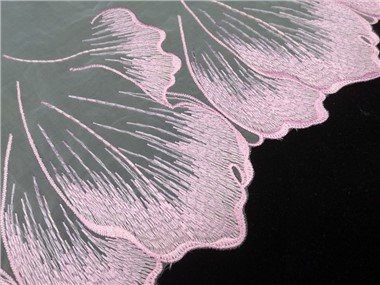

Heat Transfer Logo;customized;3D Silicone Printing Label
Heat transfer printing is a revolutionary way of printing design onto fabric, giving it a stylish and unique finishing touch. With this printing technique, you can create high-quality prints on textiles that can withstand wear and tear. It is a fast and efficient way of creating custom-made designs that will give you a unique look. Heat transfer printing is highly versatile and can be used on all kinds of fabric, including cotton, polyester, and silk.
Description
Founded in 1991, Jiangsu Golden Autumn Group is one of the world's leading manufacturers of garment accessories serving customers all over the world. The products are widely used in intimate apparel and sportswear. The company has advanced manufacturing facilities and technologies. Complete processes including yarn twisting, covering, yarn dyeing, crochet, weaving, warp knitting, after-dyeing and printing are all under one roof.The company was founded in 1991 and started from ordinary elastics; year 2000, started to develop all kinds of jacquard elastic and were among the earliest factories producing jacquard elastics in Jiangsu province; year 2004.
Why Choose Us
Our product
Narrow lace trim, wide lace trim, lace fabric, lace post-processing, collar lace, embroidery trim, embroidery fabric, post-embroidery work.
Production market
Successfully passed audit by disney, wal-mart, uniqlo, and attracted customers from all over the world, turnover has reached 250 million yuan in recently two years.
Our certificate
The company employed automation and information technology to continuously improve production. Committed to quality improvement and environmental protection. Jiangsu golden autumn group is iso9001, iso14000, 0eko-tex standard 100(class 1) and grs, bsci,tqp certified.
Our service
To provide clients with professional design, research and development and other technical consulting, sample support, enterprise introduction, credit certificate, etc. The professional quality inspection and quality records to ensure the quality of each process during the whole product manufacturing process.

Garment T-shirt Neck Tag Labels;print;heat Transfer Iron On Label
Our hot transfer printing clothing labels are the perfect way to add a touch of elegance and sophistication to your apparel. Made with the highest quality materials, our labels are designed to look great and last for years to come.

Heat Transfer Logo;customized;3D Silicone Printing Label
Heat transfer printing is a revolutionary way of printing design onto fabric, giving it a stylish and unique finishing touch.
What is Heat Transfer Logo;customized;3D Silicone Printing Label
Heat transfer printing is a revolutionary way of printing design onto fabric, giving it a stylish and unique finishing touch. With this printing technique, you can create high-quality prints on textiles that can withstand wear and tear. It is a fast and efficient way of creating custom-made designs that will give you a unique look. Heat transfer printing is highly versatile and can be used on all kinds of fabric, including cotton, polyester, and silk. This printing technique produces vibrant, long-lasting prints that will not fade or peel, even after many washes. Furthermore, heat transfer printing is an eco-friendly option, with no toxic chemicals involved in the printing process.
Benefits of Heat Transfer Logo;customized;3D Silicone Printing Label
Cost effective
Heat Transfer Logo are significantly less expensive than other equivalent technologies such as screen printing. As previously stated, you may print on heat transfer papers with any current inkjet or laser printer.Furthermore, the heat press machine is reasonably priced. Because of these advantages, the unit cost of printing a t-shirt using this method is much cheaper.As a result, it is an excellent printing process for small enterprises and aspiring young artists looking to start their own t-shirt printing business. Because they may not have a large budget, this is the greatest way for them to get started!
Good quality
The print designs created are of exceptional quality due to the high temperatures and pressures employed in heat transfer equipment. As a result, you may use this printing technology to create elaborate and vibrant designs on t-shirts.This is advantageous for small enterprises and emerging artists. It enables them to print intricate graphics and numerous colors with excellent results at a low cost.
Versatile
When compared to screen printing or sublimation printing, which use a similar approach, heat transfer is a more adaptable process. It may be used to print on cloth as well as other materials like plastic, porcelain, and glass. Printing on any custom object becomes tremendously simple and convenient when utilizing this method.All you have to do is print an appropriate image on heat transfer paper. The heat press machine will then be able to embed the pattern on the material of your choice.Furthermore, because the heat press machine is modest in size, it takes up very little space. As a result, you can more effectively use the remaining space in your printing studio for other printing tasks.
User friendly
Heat transfers are also quite user-friendly, especially when compared to traditional printing procedures. You may print on the transfer paper with a regular printer, which is relatively simple.Furthermore, the heat transfer machine is quite simple to use, so you will be up and running in no time. In other words, even if you have no prior printing knowledge, you may quickly create Heat Transfer Logo.
Types of Heat Transfer Logo;customized;3D Silicone Printing Label
Heat Transfer Vinyl (HTV)
HTV logos are made from vinyl sheets and applied with a heat press. It's best for simple, single-color designs.
DTF Logo Printing
DTF printing puts the design on a special film, then onto the fabric. It's great for detailed, multi-color logos.
Sublimation
This method dyes the fabric, making it perfect for polyester clothes.
What Materials And Fabrics Can Our Heat Transfer Logos Be Applied to?
Cotton
The very common natural fibre, known for its comfort and breathability, cotton is a versatile and widely-used fabric in various clothing items items like T-shirts, denim jeans, dresses, casual shirts and undergarments in the fashion industry. Our heat transfer logos adhere perfectly to cotton materials, making them an ideal choice for casual and sporty designs.
Polyester
This synthetic fabric is popular for its moisture-wicking properties and durability, making it a preferred choice for activewear like football jerseys, athletic shorts, moisture-wicking athletic tops and durable outerwear for various sports in the sport industry. Our logos bond effortlessly with polyester, ensuring your sports garments remain stylish and intact.
Polyamide / Nylon
With its smooth texture and excellent strength, polyamide is commonly used in sportswear and outdoor apparel like running shorts, windbreakers, rain jackets, hiking pants and swimwear in the sport industry. The embellishment on polyamide can be challenging, but our special heat transfer logos adhere flawlessly to nylon, ensuring long-lasting performance for your activewear designs.
Polypropylene
This synthetic hydrophobic fiber offers excellent moisture-wicking and quick-drying properties, allowing moisture to pass through and evaporate quickly. It's an ideal material for active underwear garments like thermal underwear, base layers and moisture-wicking inner garments in the fashion industry. However, printing on polypropylene can be challenging due to its low melting point. But our special heat transfers applied below 100°C adhere perfectly to this technical material, making them an ideal choice for casual and sporty designs.
Positioning and Alignment
Proper positioning and alignment of the custom heat transfer play a significant role in achieving a professional look. Use measuring tools like rulers or tape to ensure accurate placement. Mark the desired position with a washable fabric pen or tailor's chalk. If you're working with multiple transfers, lay them out on the garment before applying to ensure proper spacing and alignment. Once positioned, secure the transfer in place using heat-resistant tape to prevent shifting during the application process. Choose custom heat transfers which use a clear release film. This is the best type of heat transfer because it allows you to see the image as it is placed on top of the garment vs other types of transfers which print on paper.
How to Choose Heat Transfer Logo;customized;3D Silicone Printing Label
Intended Use
One of the most crucial aspects of selecting a heat transfer logo is understanding its intended use. Whether you're customizing textiles that withstand industrial washing, medical bandages, flame-resistant fabrics, safety vests, special garments like softshell jackets or sublimated football jerseys, the specific use case has a profound impact on performance.
Heat Transfer Technique
The type of heat transfer can significantly influence the overall outcome. There is a wide range of techniques available, each offering unique features and benefits that can elevate the aesthetics of your garments.From metallic and glossy effects to colour-changing, bio-based, textured and reflective variations, the possibilities are endless. You can even achieve depth illusions through lenticular technology. The choice of technique depends on your brand's identity, the look you want to achieve and the message you wish to communicate through your garments.
Logo and Design Complexity
The design complexity of your logo play a crucial role in determining its impact. Elements such as logo size, level of detailing and whether it's flat or three-dimensional, influence the logo's overall effectiveness. While the number of colours required and order quantity have an impact, the focus here is on the logo's design and visual appeal.If your design showcases fine details and vibrant colour palettes, it may require advanced techniques to ensure the design's consistency. Consider your budget and design complexity carefully to achieve the perfect balance between creativity and cost-effectiveness.
Process of Heat Transfer Logo;customized;3D Silicone Printing Label
Before applying any custom Heat Transfer Logo, it's crucial to prepare the surface properly. Be sure the upper heating platen is completely flat. Use a T-square to be sure the surface is completely flat with now curves. Be sure the lower platen is made of heat resistant rubber and free of any holes or missing areas on the surface. This will allow even pressure to be applied on both upper and lower platens. Pre-press the garment using a heat press to remove any moisture and wrinkles. This step ensures a smooth surface for the transfer and minimizes the risk of imperfections.
There are various methods available for applying custom Heat Transfer Logo, including using a heat press, an iron, or even a home oven. The most reliable and efficient method is by using a heat press machine. A heat press allows for precise temperature and pressure control, ensuring optimal adhesion and durability of the transfer. If you're working on a larger scale or have frequent Heat Transfer Logo needs, investing in a quality heat press is highly recommended.
Before applying your custom Heat Transfer Logo to the final garment, it's crucial to conduct a test run. Cut a small piece of the transfer and apply it to a similar fabric using the same heat press settings you plan to use. This test allows you to assess the transfer's adhesion, color vibrancy, and any potential issues that may arise during the application process. Make sure to wash and dry the test piece according to the transfer manufacturer's instructions to verify its durability. Adjust your settings if necessary before proceeding with the actual application.
How to Maintain Heat Transfer Logo;customized;3D Silicone Printing Label
Avoid Exposure to Chemicals
Here's one you might not think about: chemicals can wreak havoc on Heat Transfer Logo. Whether it's cleaning products, solvents, or even strong perfumes (yep, really), these substances can degrade the adhesive and ruin the label's print surface. So, keep your labels away from any chemicals, and make sure the area where you store them is clean and free of any harsh substances.
Rotate Your Stock
If you're using Heat Transfer Logo regularly, it's a smart idea to rotate your stock. Always use the oldest labels first to ensure you're not letting them sit around too long. This way, you'll avoid using labels that are past their prime, and you won't waste any rolls or sheets that have been sitting around for too long.It's a little like using the oldest ingredients in your pantry first before opening new ones-it just makes sense and keeps things moving.
Keep Labels Away from Magnetic Fields
This tip may sound a bit odd, but magnetic fields can interfere with the sensitive materials used in Heat Transfer Logo. Things like magnets or devices that emit strong electromagnetic fields can cause problems with the label's performance. So, keep your labels away from items like strong magnets, speakers, or any equipment that generates a magnetic field.
Check for Dust and Debris
Even the tiniest bits of dust or dirt can affect your label printing. Make sure to store your labels in a clean, dust-free environment. If they've been sitting out for a while, give them a quick wipe before loading them into your printer. This simple step can prevent a lot of headaches later on, like smudged prints or clogged printheads.
Factory Pictures

FAQ
Hot Tags: heat transfer logo;customized;3d silicone printing label, China [productname]] manufacturers, suppliers, factory, Two Halves Collar Lace, cotton lace fabric trim, thick lace material, cotton embroidered mesh lace, nylon stretch lace fabric, Narrow Lingerie Lace Trim